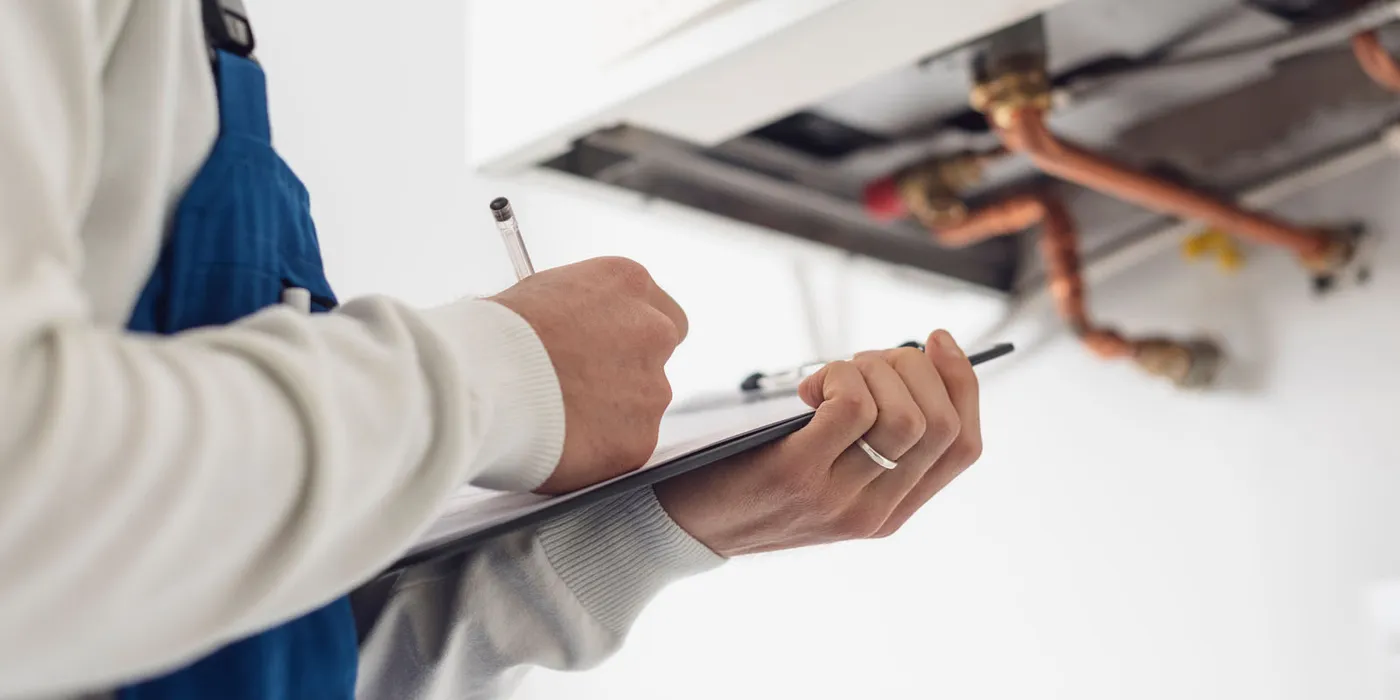
The price of a new boiler installation isn't fixed; several key factors determine the final cost for your London home.
Why Boiler Installation Costs Vary
If you are looking to replace your old gas boiler, you will quickly find that installation quotes can differ. There is no single fixed price because every home and heating system is unique. The final cost is determined by several key factors that affect the complexity and scope of the work required. Understanding these factors will help you make sense of the quotes you receive and know what you are paying for.
Key Factors Influencing Installation Cost
Boiler Type and Output
The choice of boiler and its size are primary cost drivers. The two main considerations are the type of boiler and its heat output, measured in kilowatts (kW). For example, a straightforward combi boiler replacement is generally the most cost-effective option; our guide to how much it costs to replace a combi boiler gives typical like-for-like ranges by output. Converting from an older system or regular boiler to a new combi boiler involves more work, which increases the cost. Similarly, the required heat output for your property size influences the model selected, with higher output boilers typically costing more. For reference, typical UK price ranges (industry average) are established for common outputs. If you are thinking of sourcing the boiler yourself to cut the cost, read can you buy your own boiler and have it fitted first.
Installation Location and Pipework
Where your new boiler will be fitted significantly impacts the price. A like-for-like swap in the same position keeps costs lower. However, if you need or want to move the boiler to a new location, this adds considerable labour and materials. It requires extending the flue and running new gas and water pipes, which increases the overall installation time and cost.
Furthermore, the condition of your existing pipework is crucial. Many older properties, especially in London, have narrow or corroded pipes that are not suitable for a modern, efficient boiler. Upgrading this pipework to the correct modern standard is often necessary for the system to work correctly and efficiently, but it adds to the project's scope and cost.
System Components and Scope
The extent of the work needed beyond the boiler unit itself is a major factor. For a system that includes a hot water cylinder, the installer must assess whether the existing cylinder can be retained or if it needs replacing. Adding or replacing a cylinder, along with any associated tanks and pumps, changes the project from a simple boiler swap to a more extensive system upgrade.
The Importance of a Professional Survey
Given all these variables, the only reliable way to get an accurate price for your specific situation is through a professional survey. Reputable installers will offer a free survey of your home. A qualified Gas Safe engineer will assess your current system, discuss your needs, check the water pressure, inspect pipework, and determine the best location for the new boiler.
Following this survey, you should receive a detailed, fixed-price written quote. This quote provides certainty and should clearly outline all the work to be done, ensuring there are no unexpected costs later. Never rely on a generic price given over the phone or online, as it cannot account for the specific conditions in your home.
Next Steps for an Accurate Quote
To get a true cost for your new boiler installation, the process is straightforward. Contact a Gas Safe registered installer to book a free, no-obligation survey. Use this opportunity to ask questions about the factors mentioned here. Once the survey is complete, you will receive a fixed written quote detailing the work. This approach ensures transparency and allows you to compare offers based on a full understanding of the job required for your property.
Frequently asked questions
Is a like-for-like boiler swap always the cheapest option?
Generally, yes. Replacing an old combi boiler with a new one in the same location, using existing compatible flue and pipework, is typically the most straightforward and cost-effective installation. Any change to the boiler type or its location will increase complexity and cost.
Why might my old pipework need upgrading during a boiler installation?
Modern boilers require pipework of a specific diameter and condition to operate efficiently and safely. Older, narrow, or corroded pipes can restrict water flow, reduce performance, and potentially cause damage. An installer will check this during the survey and may recommend an upgrade, which adds to the project scope.
What should I expect from the free survey and quote process?
A Gas Safe registered engineer will visit your home to assess your current heating system, pipework, and your hot water needs. They will discuss options and recommend a suitable boiler type and output. Following this, you should receive a fixed written quote detailing all work and costs, providing a reliable price for your specific installation.