What a Hot Water Cylinder Replacement Costs in London
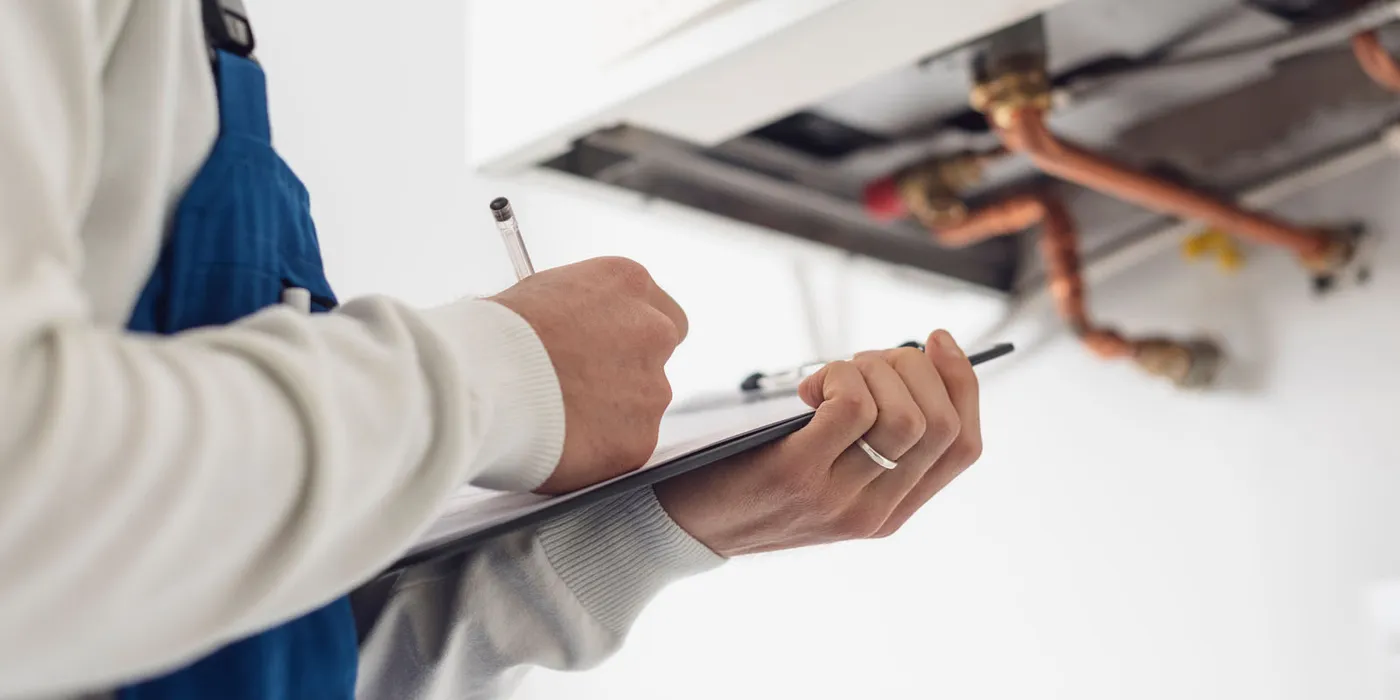
Hot water cylinder replacement cost depends on which of three jobs you need: a vented swap, an unvented swap, or converting vented to unvented. Here is what separates them on price.
Three different jobs hide behind one question
People ask what a hot water cylinder costs and get wildly different answers, because the phrase covers at least three separate pieces of work. Swapping an old vented copper cylinder for a new vented one is the simplest of the three. Swapping a failed unvented cylinder for a new unvented one adds mains-pressure safety components, a safe discharge route and a qualification the installer has to hold before they may touch it. Converting a vented system to unvented is a rebuild of the hot water side of the house. Until you know which of those you are buying, no figure means anything.
Indicative London ranges — and they are ranges
The figures below are the bands London quotes tend to fall into. They are not prices, and nobody should give you a price without seeing the cupboard, the pipework and the mains supply first.
- Like-for-like vented cylinder replacement: usually the cheapest route, commonly landing somewhere between the high hundreds and around £1,500 fitted, depending on size and how much of the surrounding pipework has to be remade.
- Like-for-like unvented cylinder replacement: typically higher, often in the £1,200 to £2,500 region, because the cylinder itself costs more and the safety components and certification are part of the job.
- Vented converted to unvented: the widest band of the three, frequently £2,000 upwards, because it adds new mains-pressure supply pipework, a safe discharge route, removal of the loft tank and feed pipes, and often new hot water pipework to cope with mains pressure.
- Cylinder and boiler replaced together: priced as one project rather than two, which is usually cheaper than doing them a year apart, but sits at the top of the range because it is two installations.
Where a specific property lands inside those bands is decided by the survey, not by the brochure.
What actually moves the number
Cylinder size. Capacity is the single biggest line item you control. Going bigger costs more in the unit and can cost more in access if it will not fit through the cupboard door. Sizing it properly matters more than sizing it generously — there is a separate guide on choosing a cylinder size and a shorter article on what size cylinder you need.
Access. A cylinder in a ground-floor airing cupboard is a straightforward day. A cylinder in a loft, on a landing behind a fitted wardrobe, or up three flights in a London terrace adds labour and sometimes a second pair of hands.
Pipework. Old vented systems were built around low-pressure gravity flow. When the vessel changes, primary and secondary connections often do not line up, and on an unvented conversion the existing hot pipework and any old fittings have to be fit for mains pressure. Remaking pipework is where a quote quietly grows.
Discharge arrangement. An unvented cylinder needs a safe discharge route from its safety valves, through a tundish, to somewhere it can dump very hot water without scalding anyone. In a flat or an internal cupboard with no outside wall nearby, arranging that legitimately is real work.
Certification. Unvented hot water work is notifiable under the Building Regulations, and a compliant installer either self-certifies it through a competent person scheme or has it inspected by building control. That is a cost inside a proper quote and an absence inside a cheap one.
What a real quote should itemise
A quote worth comparing states the make, model and capacity of the cylinder, whether it is direct or indirect, what happens to the existing pipework and controls, how the discharge is being routed if it is unvented, removal of the old cylinder and any redundant loft tank, and who is notifying the work. If two quotes are £900 apart, the difference is almost always in that list rather than in the cylinder itself.
Where the cheapest quote usually loses its money back
The recurring pattern is a low figure that quietly excludes the certification, reuses pipework that should have been replaced, or fits a cylinder chosen for its price rather than for the household. An unvented cylinder installed by someone without the right qualification leaves you with no Building Regulations compliance certificate, a warranty the manufacturer can decline, and a problem at the point you sell. Checking the installer is qualified to work on unvented cylinders costs nothing and is the one check that cannot be done retrospectively.
Getting a figure for your property
Cylinder replacement is quoted properly after someone has measured the space, tested the incoming mains flow if unvented is on the table, and looked at what the boiler is doing. That is what our hot water cylinder replacement survey covers, and if the boiler is on its last legs too, a combined boiler and cylinder replacement is usually worth pricing alongside it before you commit to either.
Frequently asked questions
Why do cylinder replacement quotes vary so much?
Because the job varies. A like-for-like vented swap, a like-for-like unvented swap and a vented-to-unvented conversion are three different pieces of work with different pipework, different safety components and different certification requirements. Size, access and how much pipework has to be remade then move the figure within each band.
Is an unvented cylinder more expensive to replace than a vented one?
Generally yes. The cylinder itself costs more, it carries safety components such as an expansion vessel and pressure relief valves, it needs a safe discharge route, and it can only be worked on by an installer holding the unvented hot water qualification, who then certifies the installation.
Is it cheaper to replace the boiler and cylinder at the same time?
Doing both together costs more on the day than doing one, but usually less than doing them separately a year or two apart, because the pipework, the labour and the commissioning overlap. Whether it makes sense depends on the age and condition of the boiler, which a survey establishes.
Does the quote include taking the old cylinder away?
It should, and a good quote says so explicitly, along with removing any redundant cold water storage tank and feed pipework if the system is being converted. If removal and disposal are not written down, ask before booking rather than after.